Episode 32
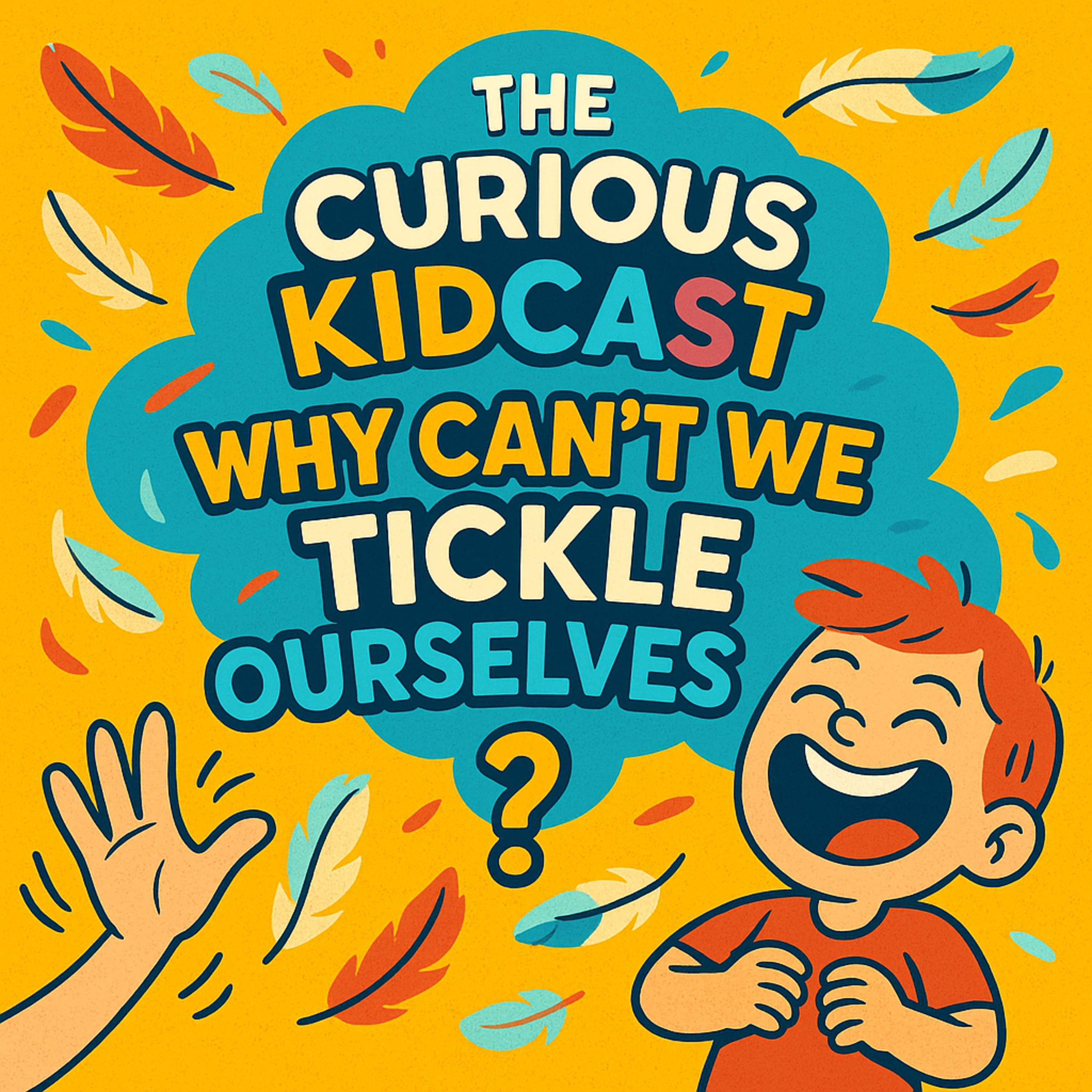
Why Can't We Tickle Ourselves?
Listen to this episode
Show Notes
Episode Summary
Ever wondered why you can tickle your friends and siblings until they're rolling on the floor laughing, but when you try to tickle yourself... nothing happens? Join Andy as he explores the fascinating science behind tickles, introduces you to your brain's "tickle police," and reveals why your cerebellum is basically a party pooper when it comes to self-tickling!
What You'll Learn
- The two types of tickles: knismesis and gargalesis (and how to pronounce them!)
- Why your brain is too smart to fall for your own tickle tricks
- Meet the cerebellum - your brain's personal "tickle police"
- How scientists built tickling robots (yes, really!)
- Why we laugh when we're tickled (hint: it's about bonding!)
- Creative ways some people can actually tickle themselves
Key Terms Explained
- Knismesis: Light tickling (like a feather on your skin)
- Gargalesis: Heavy tickling that makes you laugh uncontrollably
- Cerebellum: The part of your brain that controls movement and predicts what you're going to do
Fun Facts from This Episode
- Babies start laughing from tickles at just 4 months old!
- Ancient people used to have tickling contests
- Charles Darwin studied tickling in the 1800s
- Rats make happy squeaking sounds when tickled
- Scientists actually built robots specifically to study tickling
- Some people aren't ticklish at all (they're like tickle superheroes!)
Episode Quiz
- What are the two types of tickles called?
- What part of your brain acts like the tickle police?
- True or false: Scientists have built robots to study
Answers in the podcast!
Connect with The Curious Kidcast
Have a question for Andy?
Visit us at curiouskidcast.com
Don't forget to subscribe and share with your friends!
Keep being curious, keep asking questions!