The podcast where curious kids get answers to questions that even parents don't know!
Curious about the world? The Curious Kidcast is the ultimate podcast for kids who love asking big questions! Whether it's about space, nature, history, animals, or everyday science, we provide fun and easy-to-understand explanations for young minds.
Each episode explores amazing science facts, weird but true stories, and fascinating discoveries that spark curiosity and creativity. Our engaging podcast is perfect for kids aged 6-12 who love learning and exploring new topics.
Parents, this is the perfect way to get your kids excited about STEM, critical thinking, and lifelong learning. Listen together during car rides, bedtime, or school projects!
Subscribe now and start your learning adventure with The Curious Kidcast – where every question leads to an exciting discovery!
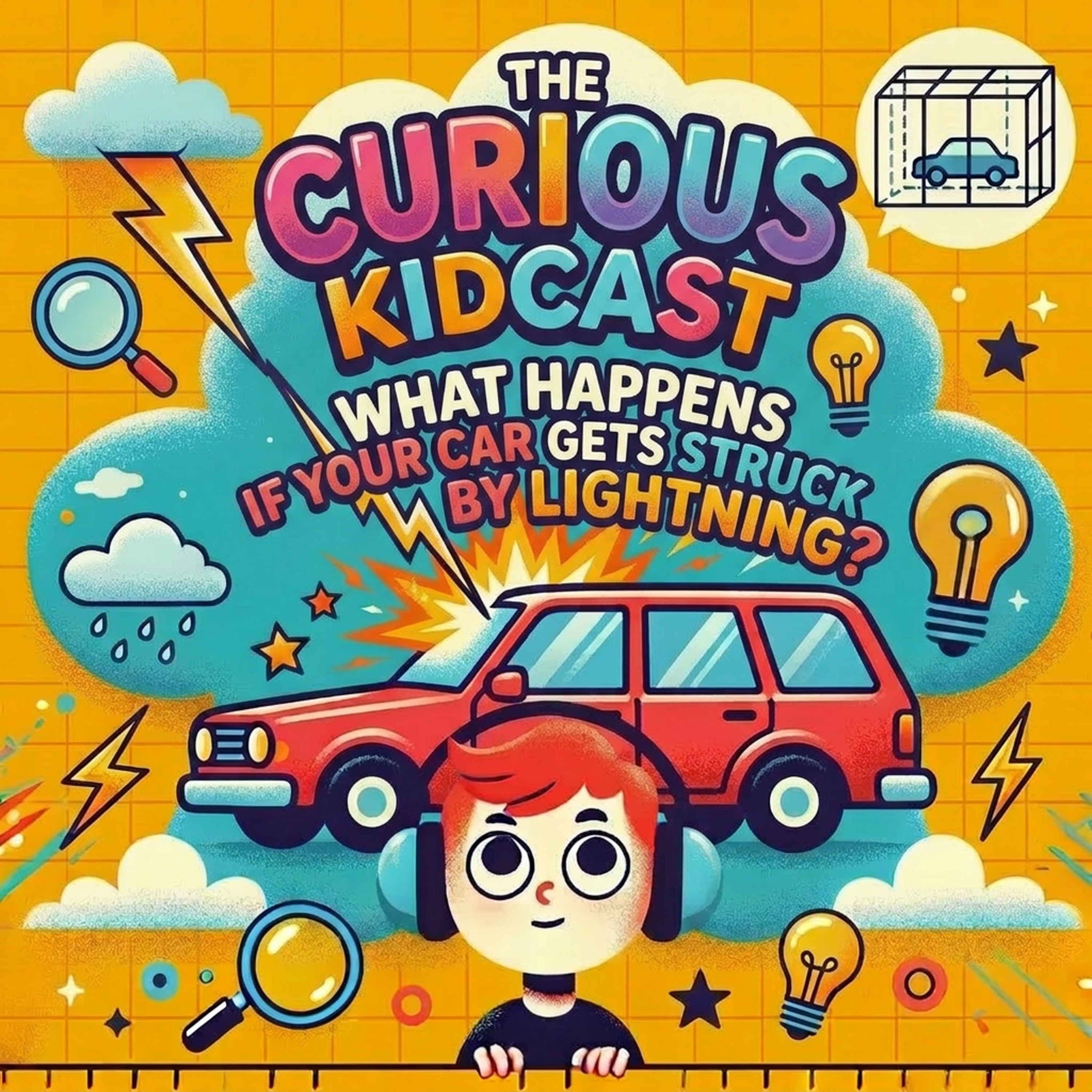
The Curious Kidcast is a fun podcast for kids who love big questions, amazing facts, science, weather, nature, and learning how the world works. In this exciting episode, Charlie explores a brilliant ...
Full Episode & NotesThe Curious Kidcast is a fun podcast for kids who love big questions, amazing facts, science, weather, nature, and learning how the world works. In this exciting episode, Charlie explores a brilliant stormy science mystery: what really happens if lightning strikes a car? It is a fun, surprising, and easy-to-understand look at lightning, electricity, safety, and the science hiding inside everyday life.
If you are looking for kids curiosity podcasts, a fun podcast for kids, or a science podcast for kids that mixes real facts with family-friendly learning, this episode is packed with discovery. It is ideal for curious kids aged 7 to 12, as well as parents, teachers, and homeschoolers who want educational audio that helps children learn, laugh, and stay curious.
This episode links well with KS2 science topics including electricity, weather, forces, materials, safety, and scientific thinking. It is perfect for family listening, classroom use, home education, and homeschooling, helping children learn real science facts in a fun, memorable, and engaging way.
It also supports learning about storms, electrical charge, conductors and insulators, and how scientists investigate and debunk myths. Whether you are listening on a road trip, during a homeschool science session, or at home after school, this episode turns a nervous weather question into a fun science adventure.
The Curious Kidcast turns curious kids questions into fun science adventures for young listeners. Each episode explores science, nature, weather, animals, space, the human body, and everyday mysteries with humour, storytelling, and amazing facts. It is a great choice for curious children, parents, teachers, and homeschool families looking for a fun way to learn together.
The Curious Kidcast is a family-friendly educational podcast for kids aged 7 to 12. Each episode answers curious kids questions with fun storytelling, humour, and facts that help children understand the world around them. It is perfect for families who want fun learning, real science, and a podcast kids genuinely enjoy.
Send your question at curiouskidcast.com.
Keywords: lightning strikes a car, lightning for kids, weather podcast for kids, electricity for kids, Faraday cage for children, science podcast for kids, curious kids questions, fun podcast for kids, kids curiosity podcasts, homeschool science, family podcast, STEM for kids, weather facts for kids, thunderstorm safety for children, educational podcast for kids, primary school science, science myths for kids, The Curious Kidcast
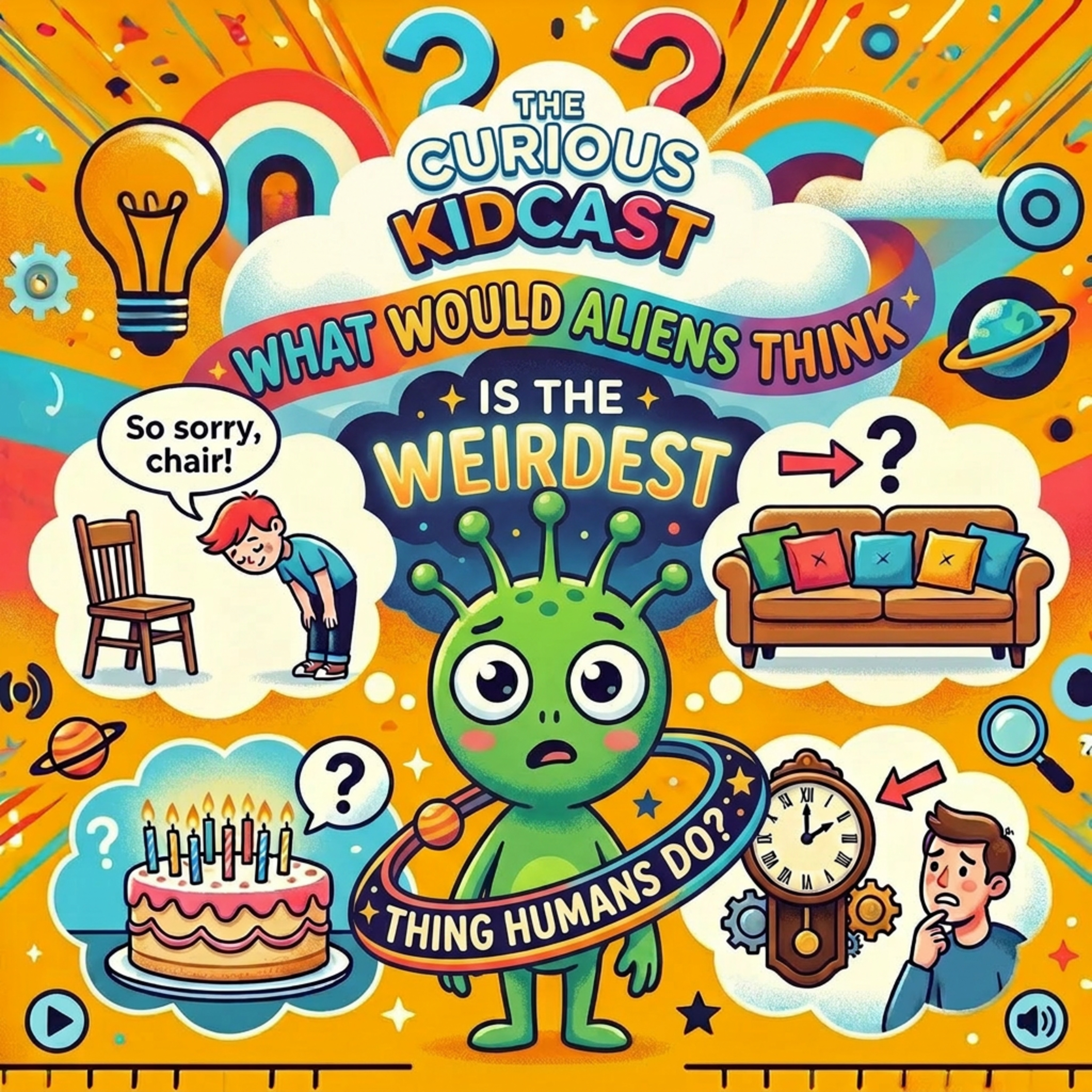
The Curious Kidcast is a fun podcast for kids who love big questions, science, space, nature, fun facts, and learning about the world around them. In this episode, Charlie explores a funny and thought...
Full Episode & NotesThe Curious Kidcast is a fun podcast for kids who love big questions, science, space, nature, fun facts, and learning about the world around them. In this episode, Charlie explores a funny and thought-provoking question: what would aliens think if they landed on Earth and watched humans going about everyday life? It is a playful and imaginative episode about human behaviour, communication, music, food, routines, and the strange things people do without even noticing.
If you are looking for kids curiosity podcasts, a fun podcast for kids, or a family-friendly educational podcast that helps children learn through curiosity, humour, and big ideas, this episode is packed with discovery. It is ideal for curious kids aged 7 to 12, plus parents, teachers, and homeschoolers who want learning that encourages children to think creatively and ask questions.
This episode is perfect for family listening, classroom discussion, home education, and homeschooling. It connects with primary science, PSHE, philosophy for children, observation, communication, creative writing, and critical thinking, helping children learn in a fun and memorable way.
Whether you are listening in the car, during a homeschool session, or as part of a family learning routine, this episode encourages kids to ask deeper questions about everyday life. It is a great choice for children who love science, fun facts, big ideas, and learning through laughter.
The Curious Kidcast is a family-friendly educational podcast for kids aged 7 to 12. Each episode answers curious kids questions about science, nature, animals, space, history, the human body, and the world around us with fun storytelling, humour, and amazing facts. It is perfect for curious children, parents, teachers, and homeschool families looking for a fun way to learn together.
Send your question at curiouskidcast.com.
Keywords: curious kids questions, fun podcast for kids, kids curiosity podcasts, science podcast for kids, educational podcast for kids, family podcast, homeschooling podcast, learn at home, fun facts for kids, big questions for kids, philosophy for kids, human behaviour for children, aliens for kids, funny podcast for kids, critical thinking for kids, The Curious Kidcast
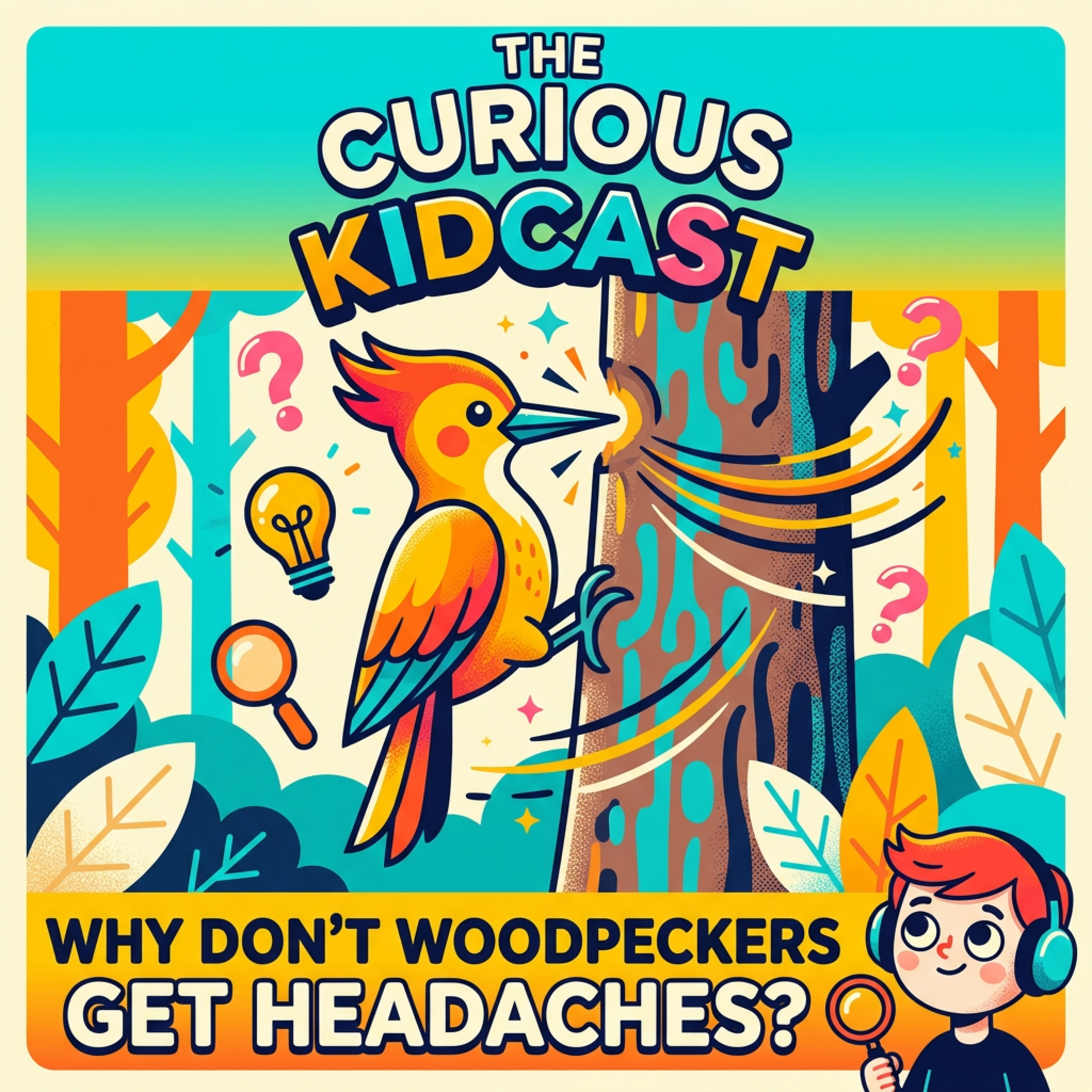
The Curious Kidcast is a fun podcast for kids who love big questions, amazing facts, science, nature, animals, and learning how the world works. In this episode, Charlie explores one of the most surpr...
Full Episode & NotesThe Curious Kidcast is a fun podcast for kids who love big questions, amazing facts, science, nature, animals, and learning how the world works. In this episode, Charlie explores one of the most surprising bird questions in nature: why do woodpeckers not get headaches? It is a brilliant science adventure packed with animal facts, biology, adaptation, and the incredible body features that help woodpeckers peck tree trunks again and again without getting hurt.
If you are looking for kids curiosity podcasts, a fun podcast for kids, or a science podcast for kids that mixes real facts with family-friendly learning, this episode is packed with discovery. It is ideal for curious kids aged 7 to 12, as well as parents, teachers, and homeschoolers who want educational audio that helps children learn, laugh, and stay curious.
What kids will learn in this episode
Fun animal and science facts for curious kids
Perfect for families and homeschooling
This episode links well with KS2 science topics including animals, habitats, adaptation, forces, movement, and how living things are suited to their environment. It is perfect for family listening, classroom use, home education, and homeschooling, helping children learn real science facts in a fun, memorable, and engaging way.
Whether you are listening in the car, during a homeschool science session, on a nature walk, or as part of a family learning routine, this episode makes biology exciting and easy to understand. It is a great choice for children who love birds, wildlife, nature, fun facts, and asking curious questions about animals.
Why families love The Curious Kidcast
The Curious Kidcast turns curious kids questions into fun science and nature adventures for young listeners. Each episode explores animals, space, weather, the human body, nature, and everyday mysteries with humour, storytelling, and amazing facts. It is a great choice for curious children, parents, teachers, and homeschool families looking for a fun way to learn together.
About The Curious Kidcast
The Curious Kidcast is a family-friendly educational podcast for kids aged 7 to 12. Each episode answers curious kids questions with fun storytelling, humour, and facts that help children understand science and the world around them. It is perfect for families who want fun learning, real science, and a podcast kids genuinely enjoy.
Send your question at curiouskidcast.com.
Keywords: why do woodpeckers not get headaches, woodpecker facts for kids, bird facts for kids, animal adaptations for kids, biomimicry for children, science podcast for kids, curious kids questions, fun podcast for kids, kids curiosity podcasts, nature podcast for kids, homeschool science, family podcast, biology for kids, wildlife facts for children, educational podcast for kids, The Curious Kidcast
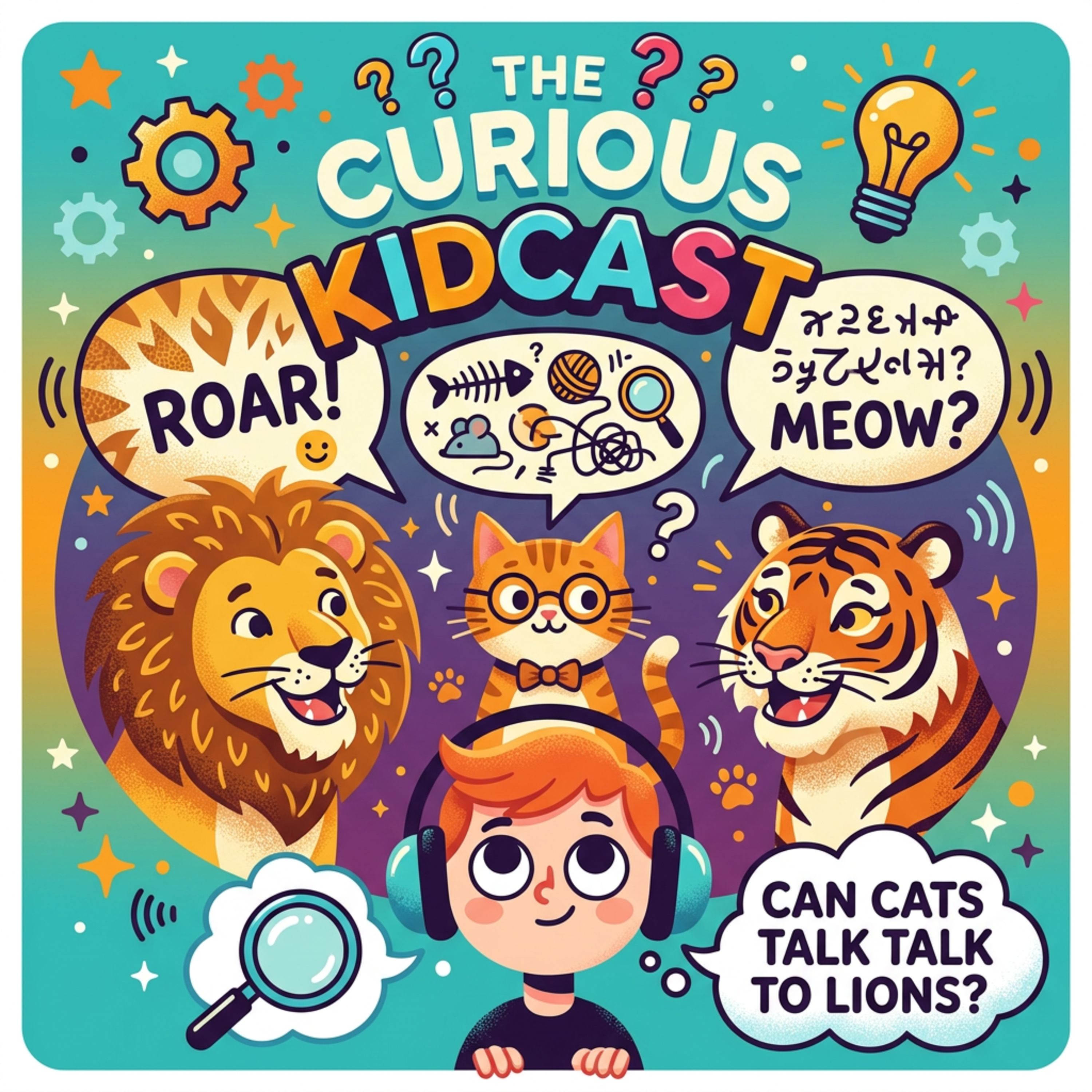
The Curious Kidcast is a fun podcast for kids who love big questions, science, nature, animals, and amazing facts. In this episode, Charlie explores a fascinating animal question: can cats, lions, and...
Full Episode & NotesThe Curious Kidcast is a fun podcast for kids who love big questions, science, nature, animals, and amazing facts. In this episode, Charlie explores a fascinating animal question: can cats, lions, and tigers understand each other? It is a fun, family-friendly science adventure about animal communication, body language, sounds, scent, and the surprising connections between members of the feline family.
If you are looking for kids curiosity podcasts, a fun podcast for kids, or a science podcast for kids that mixes real facts with humour and learning, this episode is packed with discovery. It is ideal for curious kids aged 7 to 12, as well as parents, teachers, and homeschoolers who want educational audio that helps children learn, laugh, and stay curious.
This episode links well with KS2 science topics including animals, habitats, classification, behaviour, adaptation, and the natural world. It is perfect for family listening, classroom use, home education, and homeschooling, helping children learn real science facts in a fun, memorable, and engaging way.
Whether you are listening in the car, during a homeschool nature study session, or as part of a family learning routine, this episode makes animal science exciting and easy to understand. It is a great choice for children who love cats, wildlife, biology, nature, and asking curious questions.
The Curious Kidcast turns curious kids questions into fun science and nature adventures for young listeners. Each episode explores animals, space, weather, the human body, nature, and everyday mysteries with humour, storytelling, and amazing facts. It is a great choice for curious children, parents, teachers, and homeschool families looking for a fun way to learn together.
The Curious Kidcast is a family-friendly educational podcast for kids aged 7 to 12. Each episode answers curious kids questions with fun storytelling, humour, and facts that help children understand science and the world around them. It is perfect for families who want fun learning, real science, and a podcast kids genuinely enjoy.
Send your question at curiouskidcast.com.
Keywords: can cats and lions understand each other, cat communication for kids, animal communication for children, feline family facts, cat facts for kids, science podcast for kids, curious kids questions, fun podcast for kids, kids curiosity podcasts, nature podcast for kids, homeschool science, family podcast, animal behaviour for kids, biology for children, educational podcast for kids, The Curious Kidcast
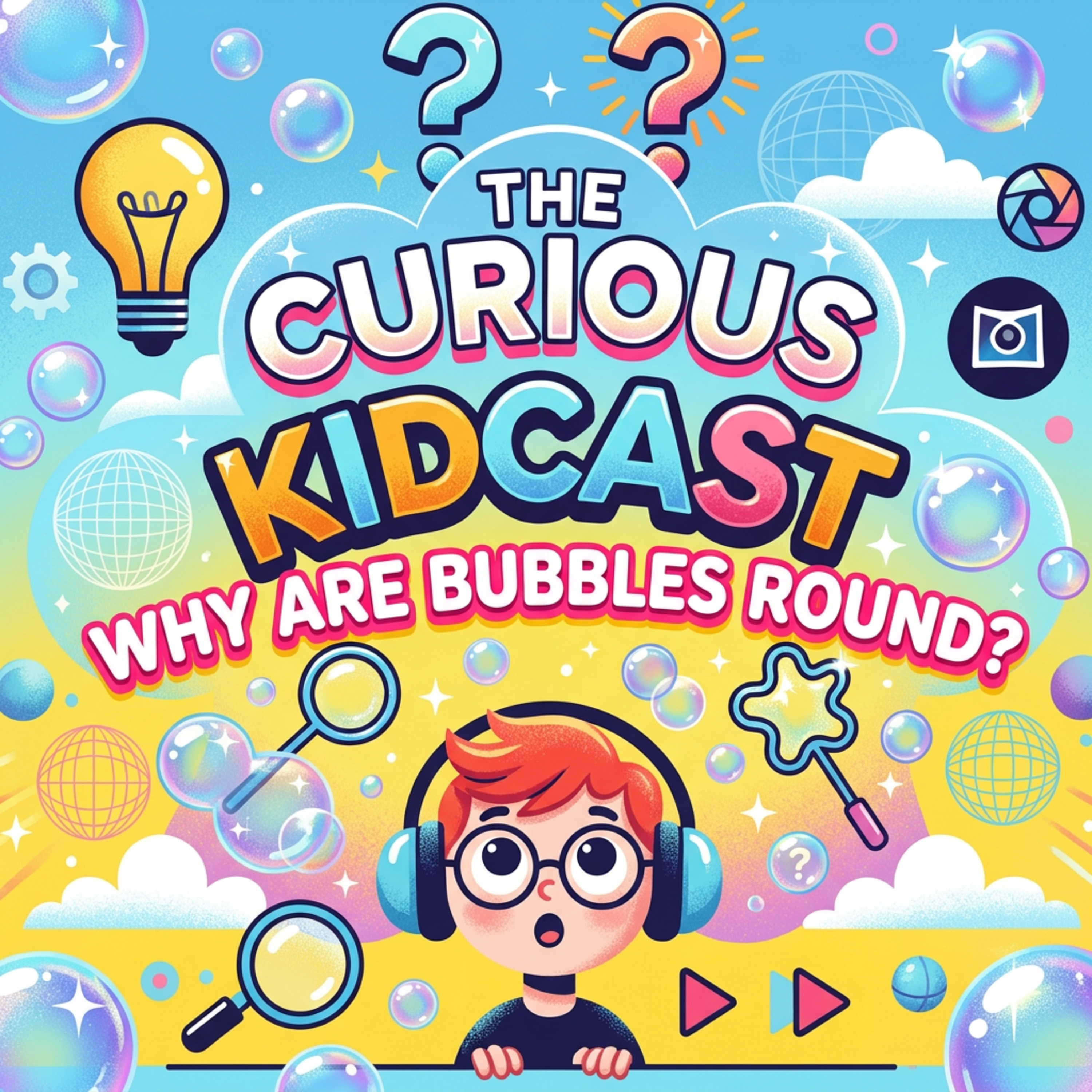
The Curious Kidcast is a fun podcast for kids who love big questions, science, nature, fun facts, and learning how the world works. In this episode, Charlie explores a brilliant everyday mystery: why ...
Full Episode & NotesThe Curious Kidcast is a fun podcast for kids who love big questions, science, nature, fun facts, and learning how the world works. In this episode, Charlie explores a brilliant everyday mystery: why are bubbles round? It is a fun, family-friendly science adventure packed with physics, bubble science, surface tension, nature, and real-world examples that help curious kids understand one of the most fascinating shapes in nature.
If you are looking for kids curiosity podcasts, a fun podcast for kids, or a science podcast for kids that mixes real facts with humour and learning, this episode is packed with discovery. It is ideal for curious kids aged 7 to 12, as well as parents, teachers, and homeschoolers who want educational audio that helps children learn, laugh, and stay curious.
This episode links well with KS2 science topics including materials, forces, water, observation, everyday physics, and scientific thinking. It is perfect for family listening, classroom use, home education, and homeschooling, helping children learn real science facts in a fun, memorable, and engaging way.
Whether you are listening in the car, during a homeschool science session, in the garden, or as part of a family learning routine, this episode makes physics exciting and easy to understand. It is a great choice for children who love science, nature, fun facts, and asking curious questions about the world around them.
The Curious Kidcast turns curious kids questions into fun science and nature adventures for young listeners. Each episode explores animals, space, weather, the human body, nature, and everyday mysteries with humour, storytelling, and amazing facts. It is a great choice for curious children, parents, teachers, and homeschool families looking for a fun way to learn together.
The Curious Kidcast is a family-friendly educational podcast for kids aged 7 to 12. Each episode answers curious kids questions with fun storytelling, humour, and facts that help children understand science and the world around them. It is perfect for families who want fun learning, real science, and a podcast kids genuinely enjoy.
Send your question at curiouskidcast.com.
Keywords: why are bubbles round, bubble science for kids, surface tension for children, physics for kids, science podcast for kids, curious kids questions, fun podcast for kids, kids curiosity podcasts, homeschooling podcast, family podcast, nature podcast for kids, educational podcast for kids, fun facts for children, learn science at home, The Curious Kidcast
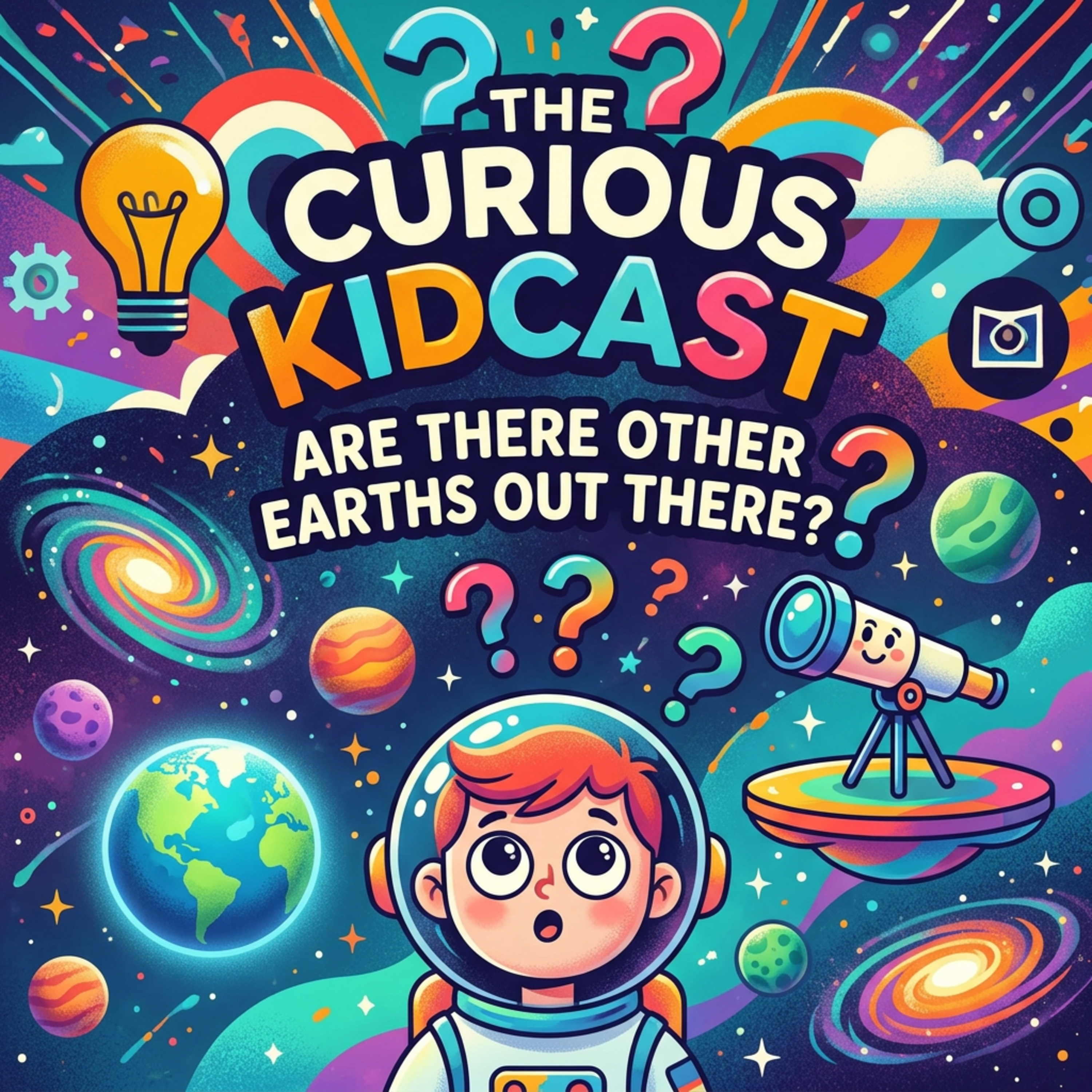
What if there was another planet, somewhere far out in space, that looked just like Earth? What if it had oceans, mountains, clouds, and maybe even its own version of pizza? In this episode of The Cur...
Full Episode & NotesWhat if there was another planet, somewhere far out in space, that looked just like Earth? What if it had oceans, mountains, clouds, and maybe even its own version of pizza? In this episode of The Curious Kidcast, your host Charlie tackles one of the biggest questions curious kids ask: are there other Earths out there?
What Your Child Will Learn
Episode Highlights
Perfect For
Episode Quiz Questions
At the end of every episode, Charlie runs a fun multiple choice quiz. This episode's questions cover:
Can your child get all three right? Listen and find out.
Fun Facts From This Episode
Keywords and Topics Covered
kids science
exoplanets
space for kids
homeschool science
family podcast
are there other earths
Goldilocks Zone
Kepler-452b
TRAPPIST-1
alien life for kids
fun science facts
nature and science
educational podcast
learning for kids
curious kids
parenting
KS2 science
biosignatures
transit method
wobble method
Got a question you'd like Charlie to answer?
Head to curiouskidcast.com and send it in. It could be about space, animals, the human body, food, weather, or why adults always say "we'll see" when they clearly mean no. We want to hear from you.
About The Curious Kidcast
The Curious Kidcast is a fun, funny, and properly researched science and nature podcast for kids aged 7 to 11. Each episode takes a real question asked by a real child and turns it into an audio adventure packed with facts, comedy, and a short quiz. It is completely safe for kids, loved by parents, and the perfect companion for families who love learning together.
New episodes are released weekly. Subscribe so you never miss one, and if your child has a burning question about the world, the universe, or anything in between, visit curiouskidcast.com to send it in.
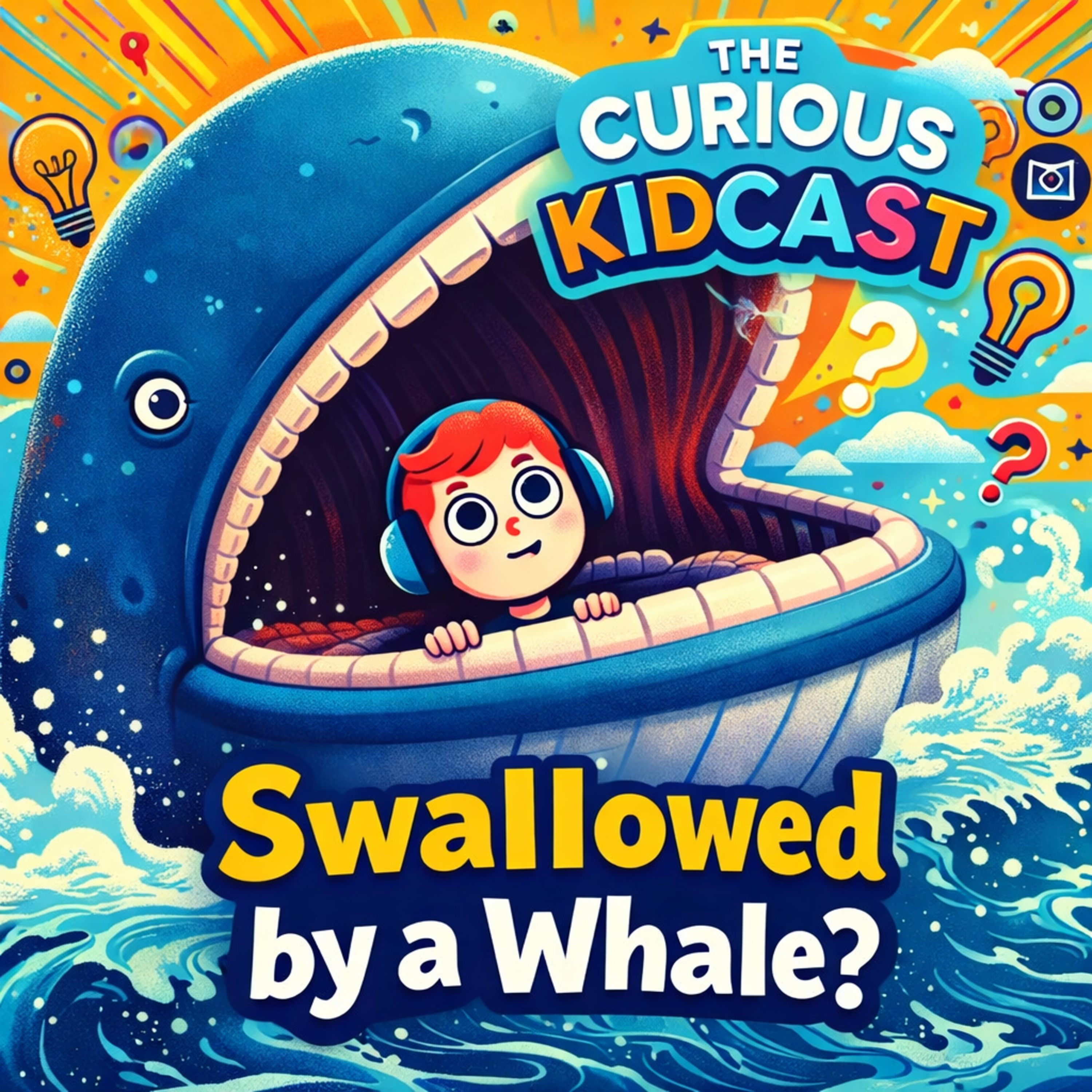
The Curious Kidcast is a fun podcast for kids who love big questions, science, nature, animals, oceans, and amazing facts. In this episode, Charlie explores one of the wildest animal questions ever: w...
Full Episode & NotesThe Curious Kidcast is a fun podcast for kids who love big questions, science, nature, animals, oceans, and amazing facts. In this episode, Charlie explores one of the wildest animal questions ever: what would happen if you were swallowed by a whale? It is a funny, fascinating, and family-friendly science adventure packed with whale facts, ocean science, marine biology, and surprising truths about some of the biggest animals on Earth.
If you are looking for kids curiosity podcasts, a fun podcast for kids, or a science podcast for kids that mixes real facts with humour and learning, this episode is packed with discovery. It is ideal for curious kids aged 7 to 12, as well as parents, teachers, and homeschoolers who want educational audio that helps children learn, laugh, and stay curious.
This episode links well with KS2 science topics including animals, habitats, food chains, adaptation, oceans, and scientific thinking. It is perfect for family listening, classroom use, home education, and homeschooling, helping children learn real science facts in a fun, memorable, and engaging way.
Whether you are listening in the car, during a homeschool science session, or as part of a family learning routine, this episode makes marine biology exciting and easy to understand. It is a great choice for children who love whales, ocean animals, nature, fun facts, and asking curious questions about the world.
The Curious Kidcast turns curious kids questions into fun science and nature adventures for young listeners. Each episode explores animals, space, weather, the human body, oceans, nature, and everyday mysteries with humour, storytelling, and amazing facts. It is a great choice for curious children, parents, teachers, and homeschool families looking for a fun way to learn together.
The Curious Kidcast is a family-friendly educational podcast for kids aged 7 to 12. Each episode answers curious kids questions with fun storytelling, humour, and facts that help children understand science and the world around them. It is perfect for families who want fun learning, real science, and a podcast kids genuinely enjoy.
Send your question at curiouskidcast.com.
Keywords: can a whale swallow a human, whale facts for kids, ocean podcast for kids, marine biology for children, blue whale facts, sperm whale facts, science podcast for kids, curious kids questions, fun podcast for kids, kids curiosity podcasts, homeschool science, family podcast, animal facts for kids, nature podcast for kids, educational podcast for kids, The Curious Kidcast
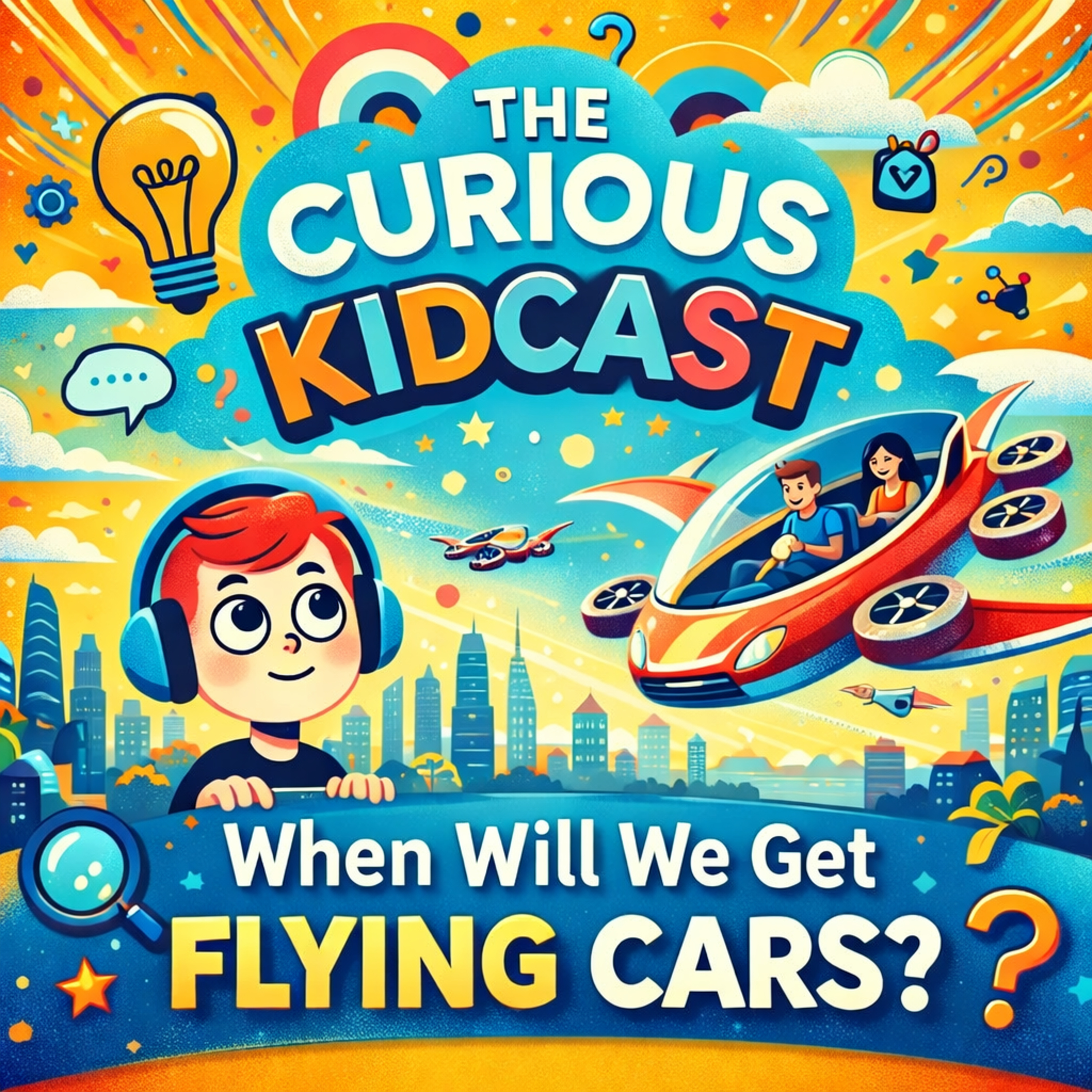
The Curious Kidcast is a fun podcast for kids who love big questions, science, technology, transport, invention, and amazing facts. In this episode, Charlie explores one of the most exciting future qu...
Full Episode & NotesThe Curious Kidcast is a fun podcast for kids who love big questions, science, technology, transport, invention, and amazing facts. In this episode, Charlie explores one of the most exciting future questions of all: when will flying cars actually exist? It is a fun, family-friendly science adventure packed with engineering, physics, transport history, future technology, and real-world ideas about how flying cars could change everyday life.
If you are looking for kids curiosity podcasts, a fun podcast for kids, or a science podcast for kids that mixes real facts with humour and learning, this episode is packed with discovery. It is ideal for curious kids aged 7 to 12, as well as parents, teachers, and homeschoolers who want educational audio that helps children learn, laugh, and stay curious.
This episode links well with KS2 science topics including forces, flight, energy, transport, invention, materials, and scientific thinking. It is perfect for family listening, classroom use, home education, and homeschooling, helping children learn real science facts in a fun, memorable, and engaging way.
Whether you are listening in the car, during a homeschool science session, or as part of a family learning routine, this episode makes future technology exciting and easy to understand. It is a great choice for children who love engineering, transport, invention, fun facts, and asking curious questions about how the future might work.
The Curious Kidcast turns curious kids questions into fun science and nature adventures for young listeners. Each episode explores animals, space, weather, transport, the human body, technology, and everyday mysteries with humour, storytelling, and amazing facts. It is a great choice for curious children, parents, teachers, and homeschool families looking for a fun way to learn together.
The Curious Kidcast is a family-friendly educational podcast for kids aged 7 to 12. Each episode answers curious kids questions with fun storytelling, humour, and facts that help children understand science and the world around them. It is perfect for families who want fun learning, real science, and a podcast kids genuinely enjoy.
Send your question at curiouskidcast.com.
Keywords: when will flying cars exist, flying cars for kids, future transport for children, engineering podcast for kids, science podcast for kids, curious kids questions, fun podcast for kids, kids curiosity podcasts, homeschool science, family podcast, STEM for kids, forces and flight for children, technology for kids, educational podcast for kids, The Curious Kidcast

Spicy food isn't actually hot. There are no flames, no sparks, and nothing burning in your mouth at all — and yet your eyes water, your face turns red, and you start desperately fanning your tongue ...
Full Episode & NotesSpicy food isn't actually hot. There are no flames, no sparks, and nothing burning in your mouth at all — and yet your eyes water, your face turns red, and you start desperately fanning your tongue like a penguin trying to take off. In this episode, Charlie digs into the brilliant, bizarre science behind what spice really is, why your brain gets completely fooled, and how a single tiny molecule inside a chilli pepper has been outwitting mammals for thousands of years.
What You Will Learn in This Episode
This episode covers how a chemical called capsaicin works, why it tricks your brain's heat sensors into firing even when there is no real heat, and why your body responds with sweating, tears, and a racing heart. We also explore why spicy food can feel exciting and even pleasurable thanks to endorphins, the body's natural feel-good chemicals.
We look at the chilli plant's surprisingly clever evolutionary strategy: using capsaicin to repel mammals while letting birds eat freely and carry seeds far and wide. Birds, it turns out, cannot feel spice at all. Their heat receptors are simply different.
Charlie also explains why water makes a spicy mouth worse (capsaicin is oily and water just spreads it around), why milk genuinely works (a protein called casein grabs onto capsaicin molecules and removes them), and how different spices like wasabi, black pepper, and Sichuan pepper each create completely different sensations.
Why This Episode Is Great for Homeschooling and Learning at Home
This episode connects naturally to several areas of science that children aged 7 to 11 encounter in school and home learning. The story of capsaicin introduces the idea that our senses can be tricked, which opens up discussions about how the nervous system works, how the brain processes signals, and why we feel pain. The concept that spicy is a pain signal rather than a taste is genuinely surprising to most children and adults alike, making it a brilliant entry point for conversations about the five senses and how they are sometimes more complex than we think.
The section on plant evolution and why chilli peppers developed capsaicin in the first place is a natural fit for topics in biology covering adaptation, survival strategies, and the relationship between plants and animals. The bird and mammal contrast provides a clear, memorable example of how different species can experience the same thing in completely different ways.
The Scoville Scale introduces a real-world example of how scientists measure and compare things, connecting to maths and data skills as well as science. The milk and water explanation is a simple, practical lesson in chemistry: oil and water do not mix, and knowing why helps children understand solutions, mixtures, and how the body interacts with food.
Related Topics to Explore
If this episode sparked curiosity, here are some related areas to explore further. The human nervous system and how pain signals travel from nerve endings to the brain. Plant evolution and defence strategies, including thorns, toxins, and other adaptations. The science of taste and smell, and how the two senses work together when we eat. The history of spices in food, cooking, and trade around the world. Endorphins, the brain's reward system, and how the body manages discomfort.
Do you have a question you would like Charlie to answer on the show? Visit curiouskidcast.com to send it in. If you enjoyed this episode, please share it with a friend, subscribe so you never miss a new episode, and leave a review wherever you listen. Every curious question helps.
Full episode transcript available at curiouskidcast.com · The Curious Kidcast is suitable for children aged 7–11 and is designed to be enjoyed by families together.
Subscribe to The Curious Kidcast on your favorite platform
We release a new episode every week, usually on Wednesday mornings!
The Curious Kidcast is designed for children aged 7-11, but curious minds of all ages will enjoy our content!
Absolutely! We love hearing from our listeners. Use the contact form below to send us your curious questions!
Episodes typically run between 10-15 minutes - the perfect length for curious young minds!